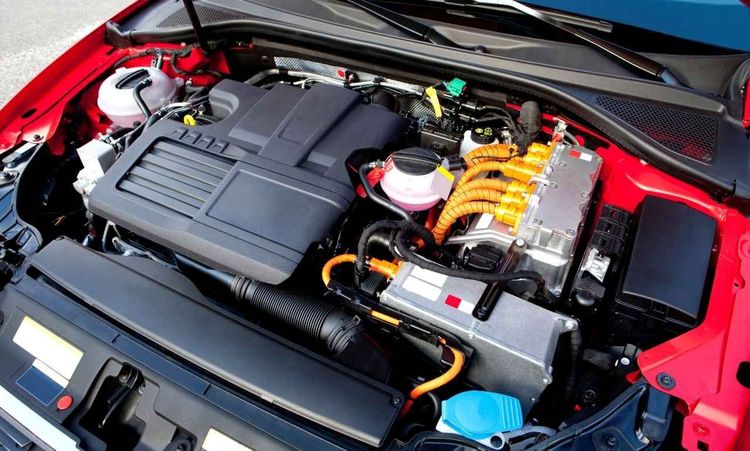
Most people only think about car maintenance when something goes wrong. By then, you are already looking at a costly repair bill. The truth is, a little attention goes a long way. Preventive car maintenance is not complicated. It just requires consistency and a bit of know-how. Think of it like going to the dentist. Nobody loves it, but skipping it always costs more in the long run.
This guide walks you through practical, no-nonsense tips to keep your car in top shape. Whether you are driving a 2005 sedan or a brand-new SUV, these habits apply to every vehicle.
Stay on Top of Oil Changes
Why Engine Oil Is Your Car's Best Friend
Oil is what keeps your engine alive. It lubricates moving parts and reduces friction. Without it, metal grinds against metal, and your engine overheats quickly. Old or dirty oil cannot do its job properly. It turns thick and sludgy over time, which restricts flow through the engine.
Most vehicles need an oil change every 5,000 to 7,500 miles. Some modern cars with synthetic oil can go up to 10,000 miles. Check your owner's manual for the specific interval your car requires. Do not rely on the old "every 3,000 miles" rule. That advice is outdated for most vehicles on the road today.
Changing your oil regularly is one of the easiest ways to extend engine life. A standard oil change costs between $40 and $100. An engine replacement can cost $4,000 or more. The math speaks for itself. Make oil changes a non-negotiable part of your routine.
Check Tire Pressure and Tread
The Real Cost of Neglected Tires
Tires are the only part of your car that touches the road. Their condition affects everything, from braking to fuel economy. Many drivers ignore tires until they go flat. That is a dangerous habit worth breaking.
Tire pressure drops naturally over time. Cold weather speeds up this process significantly. Under-inflated tires wear unevenly and reduce fuel efficiency. Over-inflated tires can blow out at high speeds. The correct pressure for your vehicle is listed on a sticker inside the driver's door jamb. It is not the number printed on the tire's sidewall. Check your tire pressure at least once a month.
Tread depth is equally important. Worn tread means reduced grip, especially in rain or mud. You can test tread depth using a penny. Insert it into the tread groove with Lincoln's head facing down. If you can see all of Lincoln's head, your tires are worn out. Replace them immediately. Good tires are not just a maintenance item. They are a safety investment.
Replace Air Filters
Engine and Cabin Filters Both Matter
There are two air filters in most vehicles. One serves the engine, and the other cleans the air inside your cabin. Both need regular attention, though for different reasons.
The engine air filter blocks dust, debris, and bugs from entering the engine. A clogged filter chokes airflow, which reduces engine performance and fuel efficiency. You should replace it every 12,000 to 15,000 miles, or sooner if you drive on dusty roads frequently. Replacing it takes about five minutes and costs less than $20 in most cases.
The cabin air filter keeps the air you breathe inside the car clean. It traps pollen, dust, and pollutants before they reach you. A dirty cabin filter can worsen allergies and reduce airflow from your vents. Replace it every 15,000 to 25,000 miles. If you drive behind trucks often or live near construction zones, change it more frequently. Your lungs will thank you.
Monitor Fluid Levels
Fluids That Keep Everything Running Smoothly
Your car depends on several fluids to function properly. Each one handles a specific job. Letting any of them run low can cause serious damage quickly. Most fluid checks take less than five minutes and require no tools.
Coolant prevents your engine from overheating. Low coolant can lead to a blown head gasket, which is an expensive fix. Check the coolant reservoir when the engine is cold. Never open the radiator cap when the engine is hot. Brake fluid transmits pressure from your foot to the brakes. If it gets low, your stopping power drops. This is not something to ignore. Transmission fluid keeps your gearbox shifting smoothly. Old or low transmission fluid causes rough shifts and long-term damage. Power steering fluid helps you turn the wheel with ease. If you notice difficulty steering, this fluid is worth checking.
Check all fluids every month or at every oil change. It is a five-minute habit that prevents thousands of dollars in repairs.
Pay Attention to Warning Lights
Your Dashboard Is Trying to Tell You Something
Dashboard warning lights exist for a reason. Ignoring them is like silencing a smoke alarm and going back to sleep. Some lights indicate minor issues. Others signal problems that need immediate attention.
The check engine light is the most common and most ignored. It can mean anything from a loose gas cap to a failing catalytic converter. Get it scanned at an auto parts store for free before assuming the worst. The oil pressure light means your engine is not getting enough lubrication. Pull over safely and check your oil level right away. Driving with low oil pressure can destroy an engine in minutes.
The battery light indicates a charging problem. Your car might still run for a while, but it will eventually die. Address it promptly to avoid being stranded. Tire pressure warning lights are easy to resolve. Add air and see if the light clears. If it stays on, one of your tires may have a slow leak. Do not guess what a warning light means. Look it up or take it to a mechanic.
Keep Up With Scheduled Maintenance
Following Your Vehicle's Maintenance Schedule
Every car comes with a manufacturer's maintenance schedule. It is in your owner's manual. This schedule tells you when to service specific components. Following it is the single most effective preventive habit you can build.
Scheduled maintenance typically includes spark plug replacement, timing belt or chain inspection, brake pad checks, and coolant flushes. Spark plugs wear out over time and affect fuel combustion. A misfiring plug hurts fuel economy and engine performance. Timing belts are critical. If one breaks while you are driving, it can cause catastrophic engine damage. Many manufacturers recommend replacing it between 60,000 and 100,000 miles.
Brake pads wear down with every stop you make. Most pads last between 25,000 and 65,000 miles, depending on driving habits. Squealing or grinding sounds are signs of worn pads. Coolant flushes remove old fluid and prevent corrosion inside the cooling system. Following your maintenance schedule keeps your warranty valid and your resale value higher.
Wash and Wax Regularly
Protecting Your Car's Exterior the Right Way
Washing your car is about more than appearances. Road salt, bird droppings, tree sap, and UV rays all damage your paint over time. Once rust sets in, it spreads quickly and is expensive to fix. Regular washing removes these harmful substances before they cause damage.
Wash your car at least twice a month. After driving through heavy rain, salted roads, or muddy conditions, wash it sooner. Pay attention to the undercarriage. Salt and mud collect there and accelerate rust. Many car washes offer undercarriage rinse options for a small extra fee. It is worth it, especially in winter.
Waxing adds a protective layer over your paint. It repels water and blocks UV damage. Wax your car every three to four months for solid protection. Some detailers recommend ceramic coating for long-lasting results. A clean, well-maintained exterior holds its value much better than a neglected one. Buyers notice the difference, and so will your resale price.
Conclusion
Preventive car maintenance does not require a mechanic's degree. It requires habits. Consistent oil changes, tire checks, fluid monitoring, and scheduled servicing keep your car reliable for years. Ignoring these basics always leads to bigger problems and bigger bills. Start with one habit this week. Check your tire pressure or look under the hood. Small actions compound over time. Your car will run better, last longer, and cost you less. That is a deal worth taking.